
The Truth About Food Oils: What Every Woman Over 50 Wants to Know
Introduction
You’ve probably heard that olive oil is “healthy”, and canola oil is “fine”. But what if I told you some of the oils sitting in your pantry could be quietly fueling inflammation, joint pain, and even hormone imbalance after 50?
I used to grab whatever oil was on sale.
I didn’t know the difference between cold-pressed, refined, or seed oils.
I just wanted to cook something quick and get on with my day.
But once I learned how much these oils impact our metabolism, skin, heart, and even mood, I realized. It’s not just about what we eat.
It’s about what we cook it in.
In this blog, I’m breaking down the good, the bad, and the sneaky when it comes to oils especially for women over 50.
What to use every day, what to toss out, and what to never trust in a “healthy” label.
Let’s get into it.
Does Cooking Oil Really Matter After 50?
Why I’ll Never Buy Canola Oil Again
The topic of food oils can be surprisingly sensitive, and I think that’s mostly because many people simply don’t understand the real consequences of regularly consuming these harmful oils. They’re not just “unhealthy.” They’re inflammatory, hormone-disrupting, and deeply processed in ways most people never realize.
The other day, while waiting in line to return something at Costco, I found myself bored and started people-watching. As I glanced at the carts rolling by, I noticed something: those giant twin jugs of canola oil, tucked into cart after cart. I had this urge to walk over and gently explain why those bottles are doing far more harm than good. Not to judge just to help. Because once you know, you can’t un-know.
Many of the oils found in packaged foods and restaurant meals are loaded with omega-6 fatty acids. While your body needs some omega-6, too much especially without enough omega-3 throws off your fat balance and fuels chronic inflammation. For women over 50, this can show up as joint pain, mood swings, hormone chaos, dull or irritated skin (like that rash that won’t go away), and sluggish digestion. As we age, our bodies become more sensitive to inflammatory triggers and these oils are some of the worst offenders.
“The right fats feed your hormones. The wrong ones fuel your inflammation.”
But the real issue isn’t just the fat content. It’s how these oils are actually made. And I ask you to read this with an open mind because this is where the confusion sets in for most people. These so-called “vegetable oils” like soybean, corn, and canola are often extracted using high heat and chemical solvents like hexane (yes, the same stuff used in industrial cleaning). After that, they’re bleached and deodorized to make them shelf stable. This process strips away any beneficial nutrients and leaves behind unstable fats that oxidize easily in the body.
Sounds appetizing, right? You want that in your body? Said no one ever.
Over time, these oils place a burden on your liver, contribute to fatigue, dull skin, brain fog, and trigger age-accelerating inflammation. The worst part? The food industry knows this and still uses them anyway, because they’re cheap and convenient.
Even if you’re avoiding these oils at home, chances are... you’re still eating them. They’re hidden in so many everyday foods: salad dressings, granola bars, “healthy” frozen meals, flavored nuts, crackers and almost everything you order at a restaurant. Yes, even the grilled vegetables you ordered to be “good.” (Those are often tossed in canola or soybean oil right next to the French fries.)
That’s why becoming label-savvy, asking the right questions when eating out, and switching to natural, cold-pressed oils at home is one of the most powerful wellness upgrades you can make especially after 50.
Worst Cooking Oils for Women Over 50 Backed by Science
Corn Oil
Highly processed and typically made from genetically modified corn (GMO).
Contains an unbalanced amount of omega-6 fatty acids , which promote inflammation when not balanced with omega-3s.
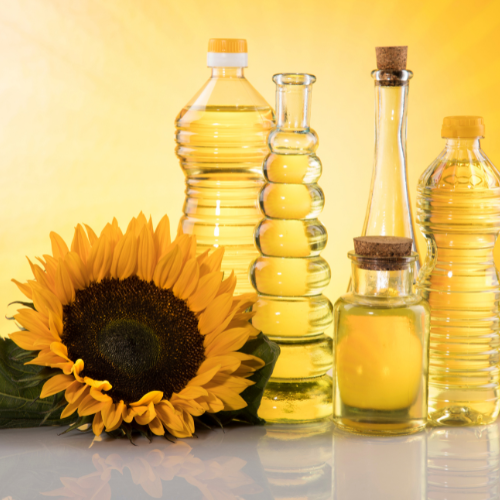
Sunflower Oil (refined)
- Unless labeled “high-oleic” and cold-pressed , it’s often unstable when heated.
Easily oxidizes, creating harmful compounds that may stress your liver and skin.
Cottonseed Oil
Derived from cotton (a crop heavily sprayed with pesticides), not a food crop.
One of the most contaminated oils and often found in packaged snacks, crackers, and margarine .
Canola Oil
Often promoted as “heart healthy,” but most versions are highly refined and chemically extracted using solvents like hexane.
May alter cell membranes and hormone function in long-term use, especially when reheated.
Soybean Oil
Found in everything from dressings to fried foods.
Linked to increased oxidative stress and estrogen disruption , which is especially important for postmenopausal women.
Grapeseed Oil
Marketed as healthy due to its vitamin E content, but the high omega-6 ratio and low smoke point make it inflammatory when used for cooking.
Often industrially processed with heat and chemicals.

Healthy Fats That Love You Back Oils You Can Trust
So what should you be using instead of those toxic seed oils? Think of these as your kitchen besties oils that actually support your hormones, joints, skin, and energy.
Extra Virgin Olive Oil
Perfect for drizzling on salads or veggies. It’s full of antioxidants and healthy fats but keep the heat low to protect those nutrients.
Avocado Oil
This one’s your high-heat hero. You can roast, grill, and sauté with it without turning it into a science experiment. Bonus: it’s packed with skin-loving vitamin E.
Grass-Fed Ghee or Butter
Rich, satisfying, and great for hormone support. Ghee is clarified and easier to digest ideal for high-heat cooking and getting that golden crisp.
Coconut Oil
Use it in moderation, but it’s great for baking or stir-frying. The MCTs in coconut oil can give your metabolism a little boost and it smells like a tropical escape.

“Seed oils are cheap for the food industry but costly for your health.”
Quick Oil Swap Guide: What to Lose:
Corn Oil
Highly processed and typically made from genetically modified corn (GMO).
Sunflower Oil (refined)
Easily oxidizes, creating harmful compounds that may stress your liver and skin.
Canola Oil
Often promoted as “heart healthy".
Soybean Oil
Found in everything from dressings to fried foods.
Grapeseed Oil
Low smoke point makes it inflammatory when used for cooking.
What to Use Instead:
Extra Virgin Olive Oil (best raw or low heat)
Avocado Oil (safe for high heat)
Grass-fed Ghee or Butter (good for high heat & hormone support)
Coconut Oil (use in moderation)
Personally, I use mostly butter when I cook and not just any butter. My absolute favorite is Kerrygold, hands down. It's rich, creamy, and made from grass-fed cows.
I also really like the Costco farm-raised butter it’s a solid, affordable option with great flavor. Honestly, I could literally eat these butters plain!
When I use my air fryer, I reach for avocado oil that I pour into a glass spray bottle I found on Amazon. It’s perfect for high heat and way better than the canned sprays filled with propellants.
If you’re looking for a good one, here’s the link to the spray bottle I use.


Conclusion
Here’s the truth: you don’t need to overhaul your whole kitchen overnight. But once you know how these oils affect your body your energy, your skin, your joints, your hormones it’s hard to keep pretending that convenience is worth the cost.
The oils you cook with every day may seem like a small choice, but they have a big impact on how you feel especially after 50, when your body is speaking more clearly than ever.
So, take your power back.
Start swapping out the toxic oils that drag you down and bring in the nourishing fats that help you glow, inside and out.
You deserve food that supports your body, not slowly sabotages it.
And it starts with something as simple as what’s in your skillet.